Language
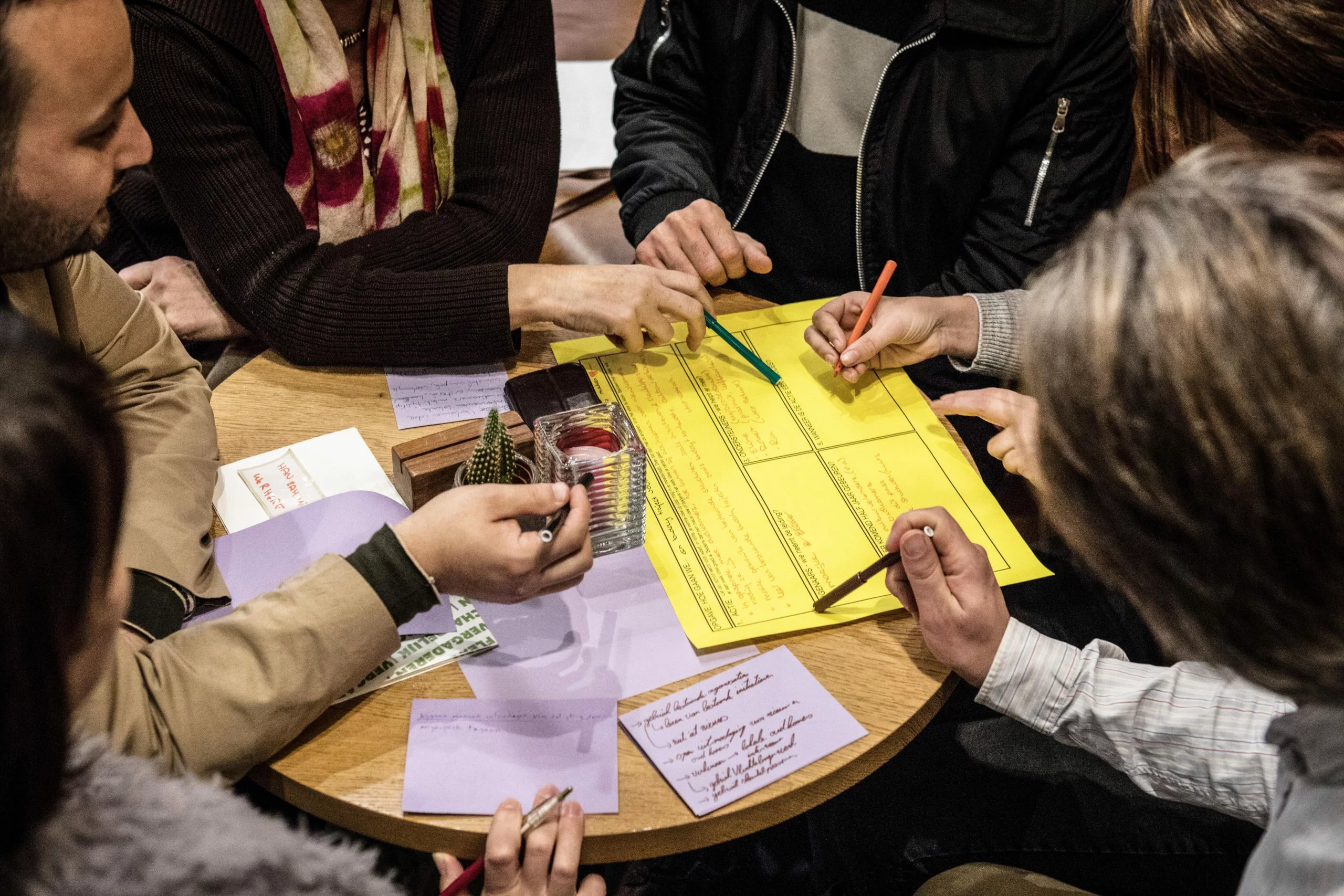
Speaking and understanding a language is essential for connecting with other people and institutions. It enables you to get by, work, and fulfill your civic duties.
Insights
Learning a language is easier when you can practice and use it in real life.
Learning the language is faster and is perceived as more meaningful when it is clearly related to other indicators such as work, the children's school, and social connections. Therefore, a combination of access to formal language education and access to language contact is needed: opportunities to use and practice the language in real life.
Learning a language is a means to an end.
Learning a language is a means to an end. People's (residential) prospects greatly contribute to their need to learn a language. Within the project with people from Ukraine, for example, we saw that people who can take steps in English at work want to learn English first. The desire to learn Dutch goes hand in hand with certainty about longer-term prospects, children going to school, or obtaining an entry-level job.
The crux of learning a language is feeling comfortable enough to dare to speak it.
The crux of learning a language is also feeling comfortable enough to dare to speak it. Language level may not even matter that much. It's mainly about language contact, where you can practice and use the language in real life.
A language barrier prevents access to authorities.
The crux of learning a language is also feeling comfortable enough to dare to speak it. Language level may not even matter that much. It's mainly about language contact, where you can practice and use the language in real life.
Design questions
How can we promote language contact between newcomers and Dutch speakers?
How do you create appropriate policy for language as a means to an end?
How can you formulate policy based on the premise that learning a language (often Dutch or English) is a means to an end?
How can we make language learning as conducive as possible to participation?
How can we make agencies accessible to non-native speakers?
For example, ensure that municipal service desks are inclusive, where newcomers can go for information, regardless of their level of Dutch language proficiency.
Ensure that professionals are aware of the possibilities of using interpreters/key persons to bridge the language barrier.