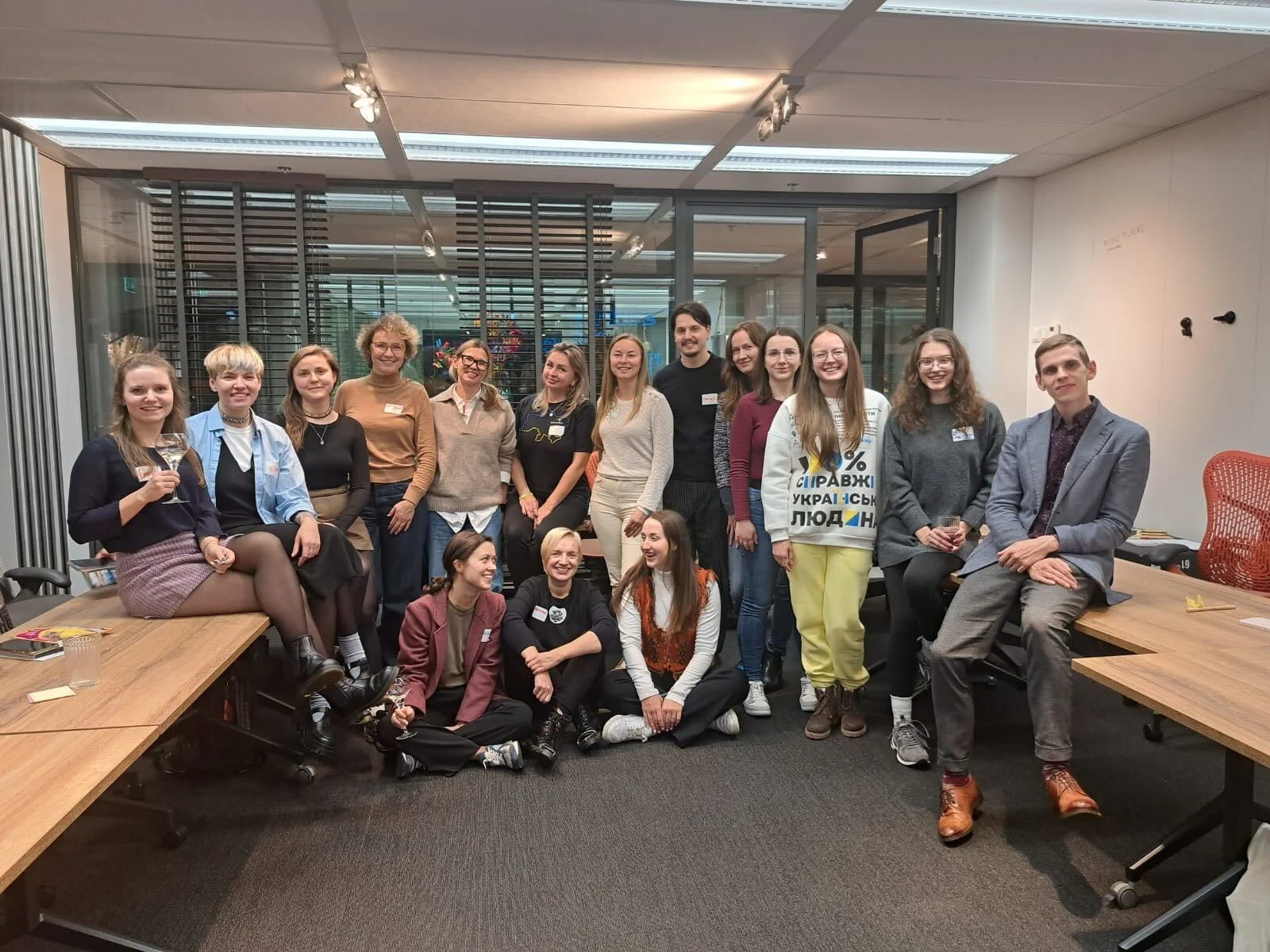
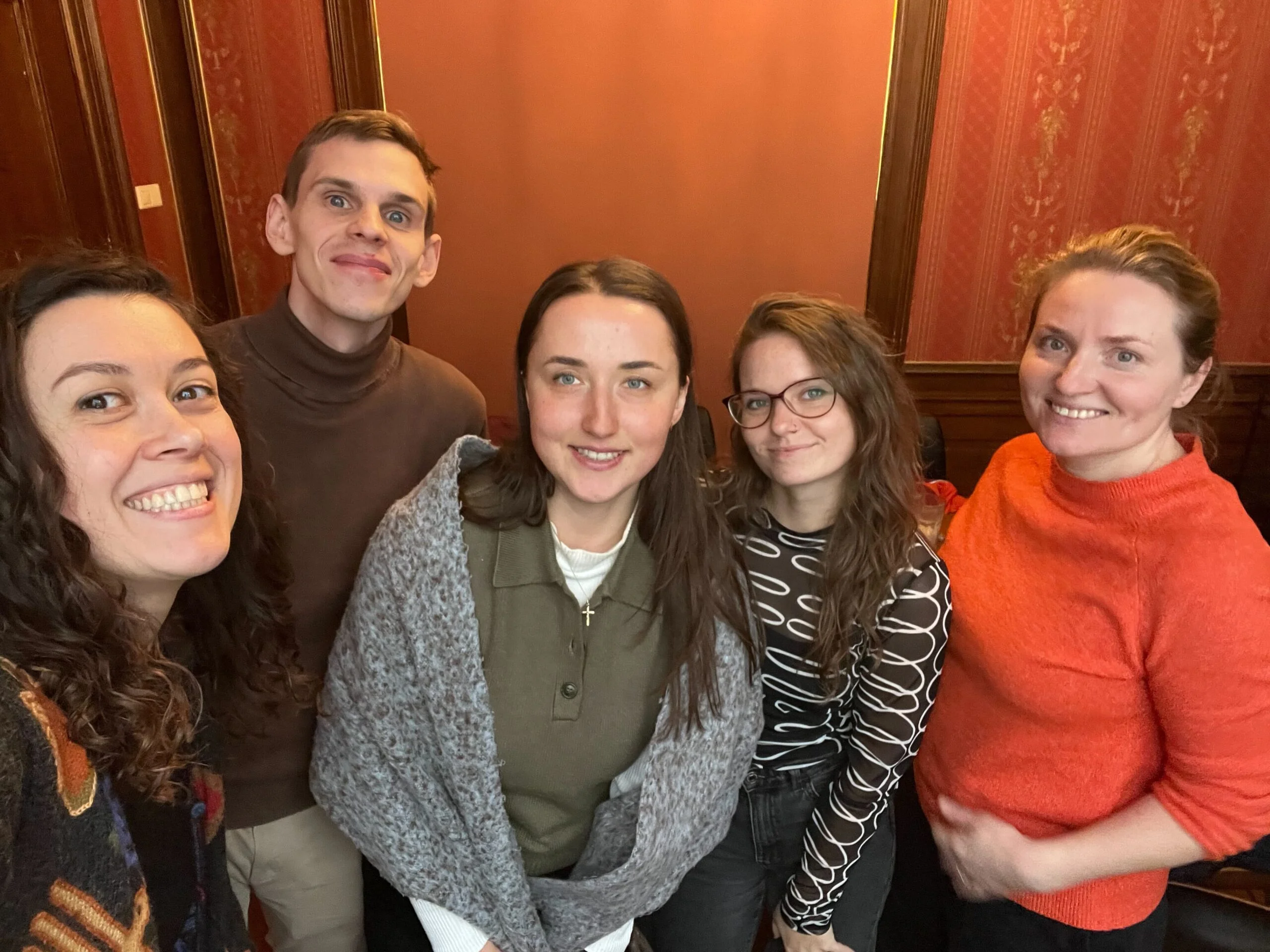
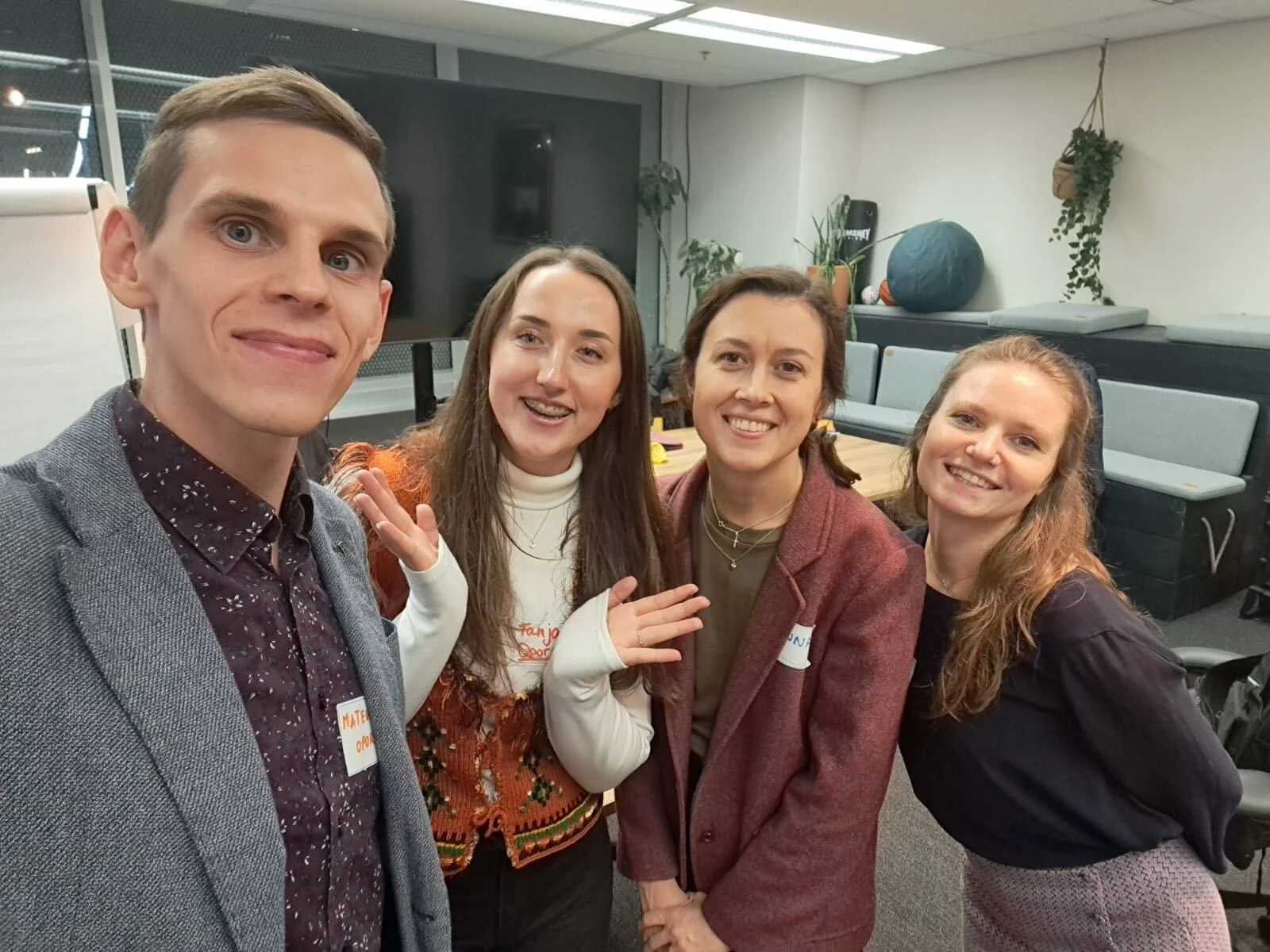
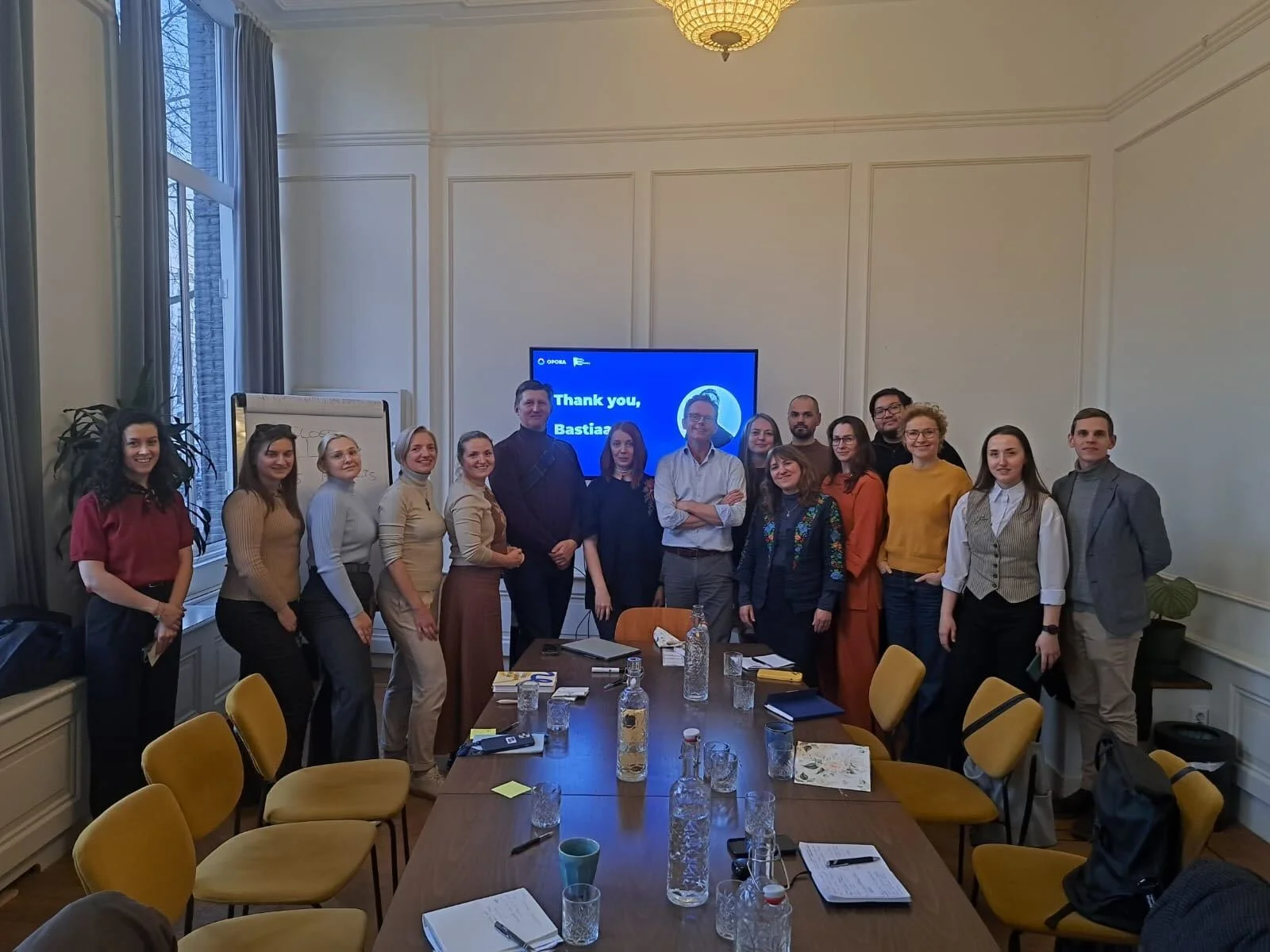
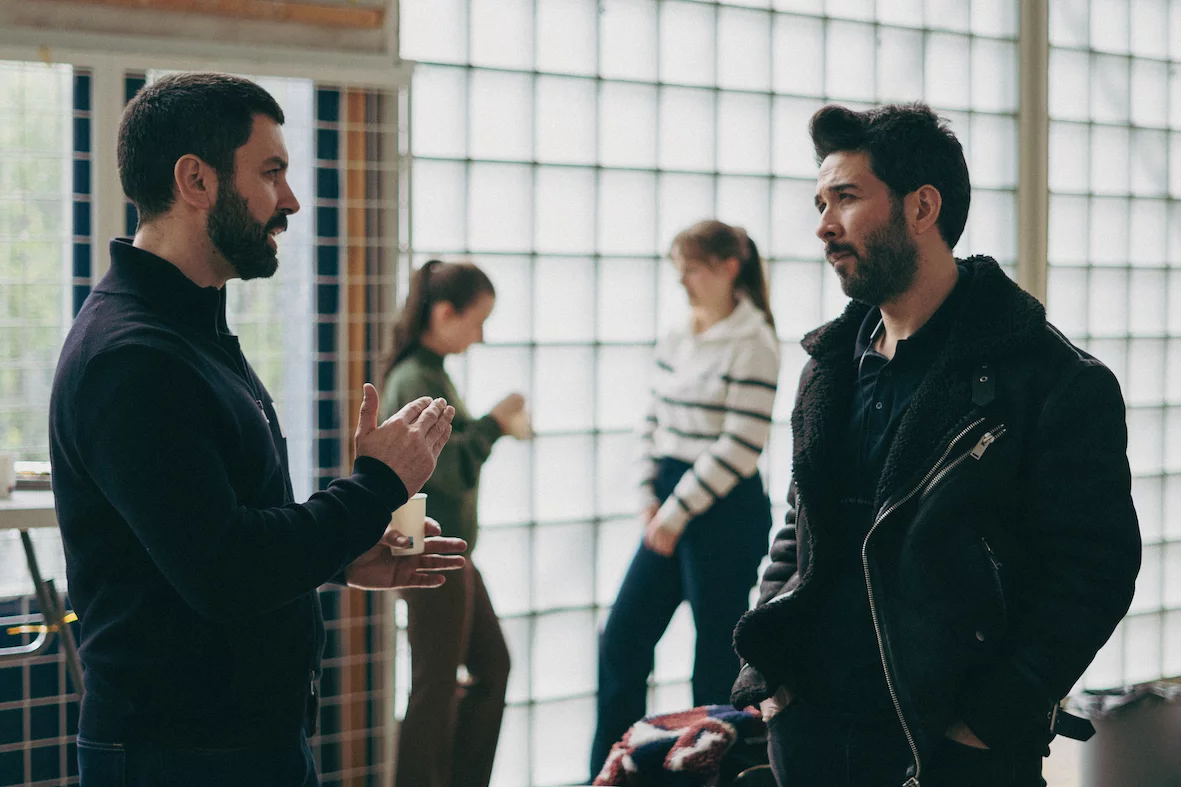
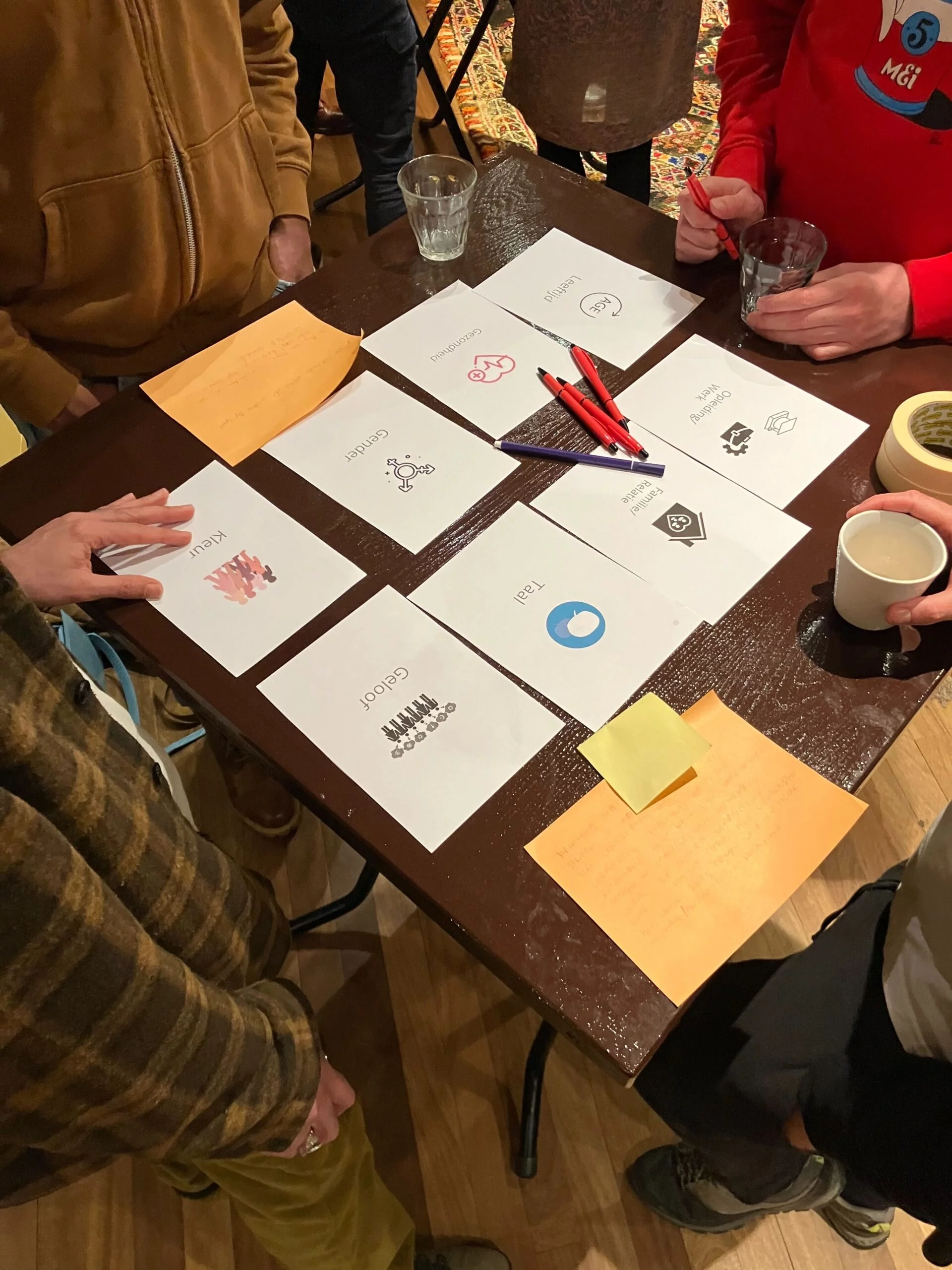
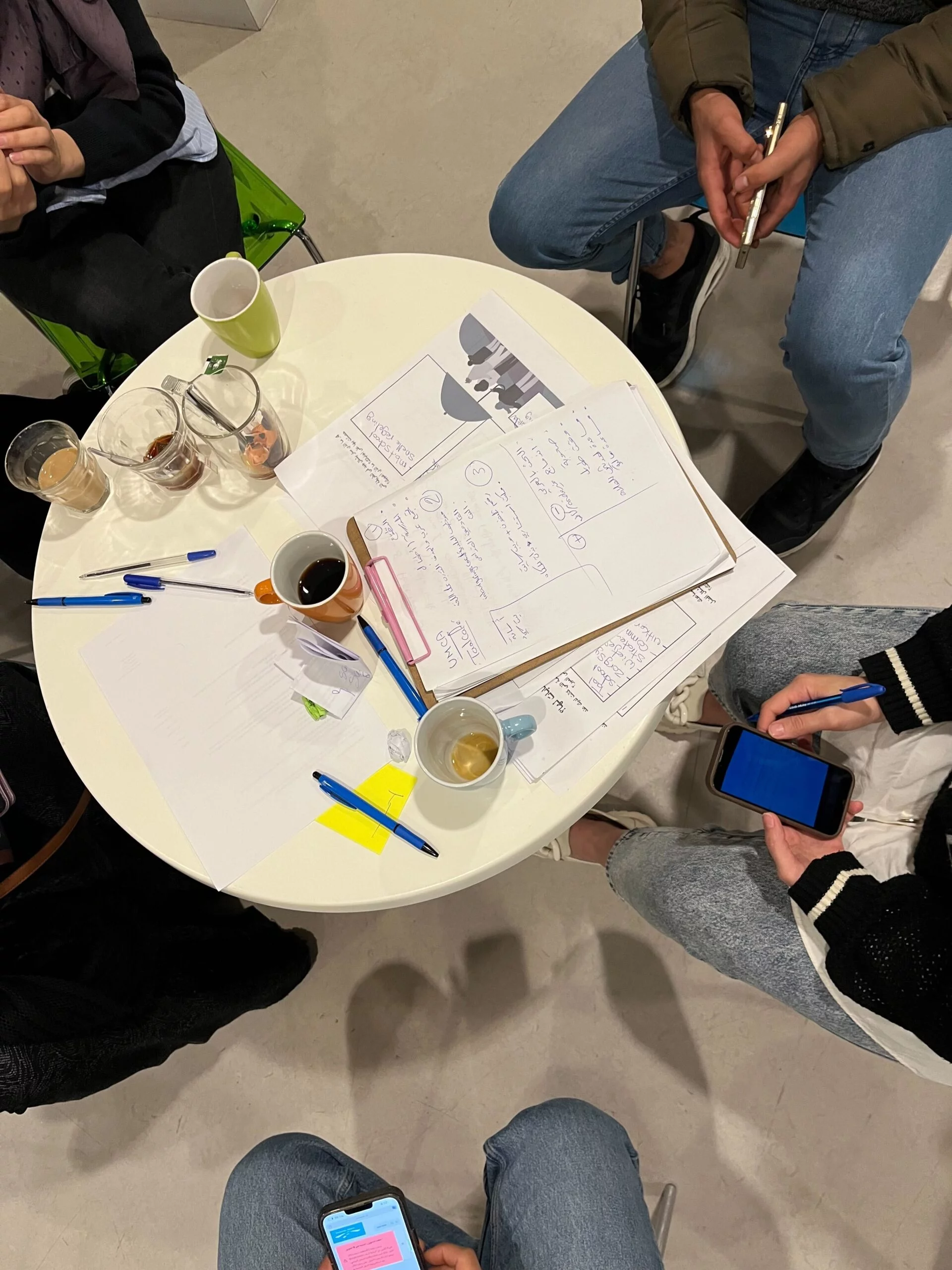
Together with the Opora Foundation, we support the self-organization and sustainability of Ukrainian Civil Society Hubs and local community leaders in the Netherlands. These community leaders often work at the intersection of humanitarian aid, integration, cultural preservation, and education. At the same time, they face overload, uncertainty, and a lack of access to targeted knowledge and networks.
Action research and training program
The project combines training, exchanges between participants, mentoring, design sessions, and adjustments based on action research. The goal is to create a safe and connected space for leaders who are working on community building in difficult circumstances.
Learning approach
Action research allows us not only to monitor the program, but also to improve it together with the participants. This approach enables the program to adapt to the changing needs of the participants. In addition, we test models that can also be used in other countries or contexts.
“We wanted to create a community where we didn’t have to conform to Russian content.”
Results & insights
Responding to changing needs took more time than expected, and clear planning and structure were crucial. In addition, differences in motivation required adapted communication. Accessible speakers who explained things clearly had more impact than experts who focused purely on content.
Key results and effective approaches
• Network of active Ukrainian leaders and initiatives. • Participants feel stronger, more professional, and clearer in their roles.
• New initiatives, such as a summer camp, cultural festival, and Civil Society Hub accelerator. • Exchange between participants led to in-depth learning and new insights. Leadership was redefined: not as "heroic work," but as shared responsibility.
Conclusion and follow-up
This project became more than just a training course — it grew into a living platform for collaboration, knowledge exchange, and leadership development. For the future, the team is considering a practical toolkit, a peer learning structure, a civil society hub accelerator, and knowledge sharing. This approach demonstrates that when you build a learning environment with and for community leaders, you not only create knowledge — you strengthen resilience, collaboration, and initiative. This model can also be applied in other countries and contexts.
If you don't take care of yourself, either you'll burn out, or your organization will die.
Related projects
Monitoring and evaluation Almere
Drafting a framework for the Municipality of Almere to monitor for the Integration Act 2021.
Commissioned by the municipality of Enschede, we investigate with a survey, expert pool and co-creation session what the community of Ukrainian people needs
to build their lives in the Netherlands.